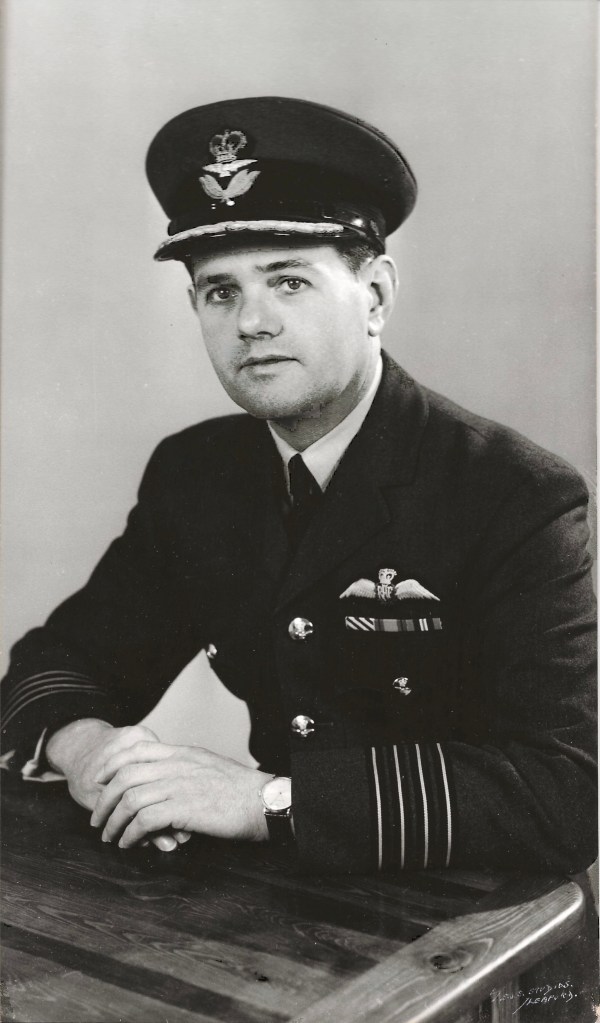
DAILY TELEGRAPH – OBITUARY FLIGHT LIEUTENANT ‘JACK’ FROST

‘Jack’ Frost served as a pilot in Coastal Command from the first to the last day of World War Two. Initially he flew the Anton with 608 Squadron on North Sea patrols, and he was the only survivor of a ditching off the Scottish coast. He converted to the Hudson and flew ‘Rover’ patrols seeking out enemy shipping off Norway and in the north Atlantic. After converting to the four-engine Liberator, he joined 206 Squadron. He attacked the U-299 causing slight damage. On November 5 1944 he took off to patrol near the Norwegian coast. He was attacked by three Messerschmitt Bf 110s. In a fierce fight, one of his gunners was killed, another injured and the aircraft suffered severe damage. With the flying controls badly damaged, flying on three engines and short of fuel, he crash landed at an airfield in the Shetlands. He was awarded the DFC. He flew transport sorties to the Far East before retiring to become the Head of Newbury College of Further Education. He died aged 103.

To read full obituary click HERE
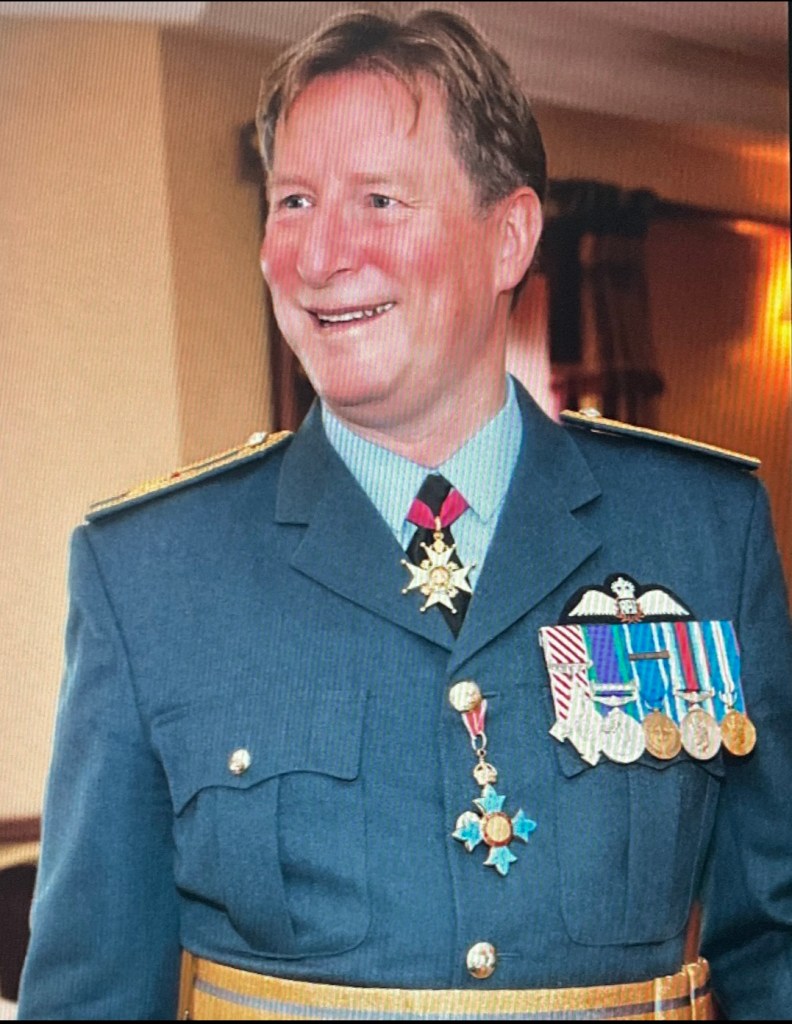
DAILY TELEGRAPH – OBITUARY AIR MARSHAL DAVID WALKER

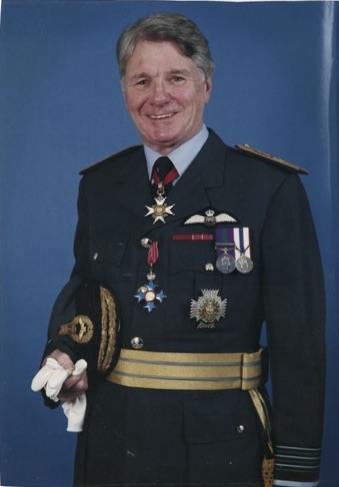
Air Marshal Walker had a major influence on the use of the Harrier vertical take off and landing aircraft, initially as a squadron pilot in Germany, when he was awarded an AFC, and later as the commanding officer of No 1 Squadron. He flew on operations over Northern Iraq protecting the Kurdish settlements, and later in Bosnia. During his time in command of RAF Cottesmore, he was instrumental in the establishment of Joint Force Harrier when the RAF and Royal Navy Harrier squadrons began operations together as a wing and in the development of Expeditionary Air Wing. His station also hosted two consecutive Royal International Air Tattoos. He served on the operations staff during the Iraq War and the early stages of the conflict in Afghanistan. He went on to serve in two key air appointments with NATO. An inspirational leader, who led from the front, he died of brain cancer at the age of 66.

To read full obituary clock HERE

DAILY TELEGRAPH – OBITUARY FLYING OFFICER ARTHUR JOPLIN

New Zealander Arthur Joplin was the pilot of a Lancaster on the raid that finally sank the German battleship Tirpitz. After training as a pilot in his native country, he sailed for England, and after converting to the Lancaster bomber, he joined 617 bSquadron, famous as the Dambusters. His was one of the first crew to join the squadron without previous operational experience. After attacking the U-boat pens at Brest, He attacked the Kerbs Barrage on the River Rhine, the first time he dropped the 12,000lb “Tallboy” bomb. On 28 October 1944, the squadrons attack against the Tirpitz was thwarted by by cloud. On 11 November, the Lancasters flew to bases on the Moray Firth and this time the attack was successful. Returning from an attack on Stettin, fog obscured their airfield and whilst attempting to land at a diversion airfield, the bomber crashed short of the runway. Joplin was seriously injured and he returned to New Zealand in February 1946. In 1993 he returned to England for a 617 Squadron reunion. He died aged 99.

To read full obituary click HERE

DAILY TELEGRAPH – OBITUARY AIR CHIEF MARSHAL SIR MICHAEL ARMITAGE

Sir Michael Armitage began his career in the RAF as an aircraft apprentice, one of “Trenchard’s Brats” at Halton and he rose to serve on the Air Force Board, one of only two senior officers to do so. His early career was spent as a fighter pilot and then a flying instructor. He later commanded 17 Squadron min Germany when he flew Canberras in the photographic reconnaissance role. He served as the station commander at RAF Luqa in Malta at a time when the squadrons returned to the base after the Maltese prime minister, Dom Mintoff, had earlier expelled the RAF. Armitage had the task of re-establishing the RAF’s presence. A deep interest in the use of air power and in international affairs led to a series of appointments in the academic field before he became the chief of defence intelligence. His final appointment was as teh commandant of the Royal college of Defence Studies.

To read the full obituary click HERE

DAILY TELEGRAPH – OBITUARY FLIGHT LIEUTENANT GUY PEASE

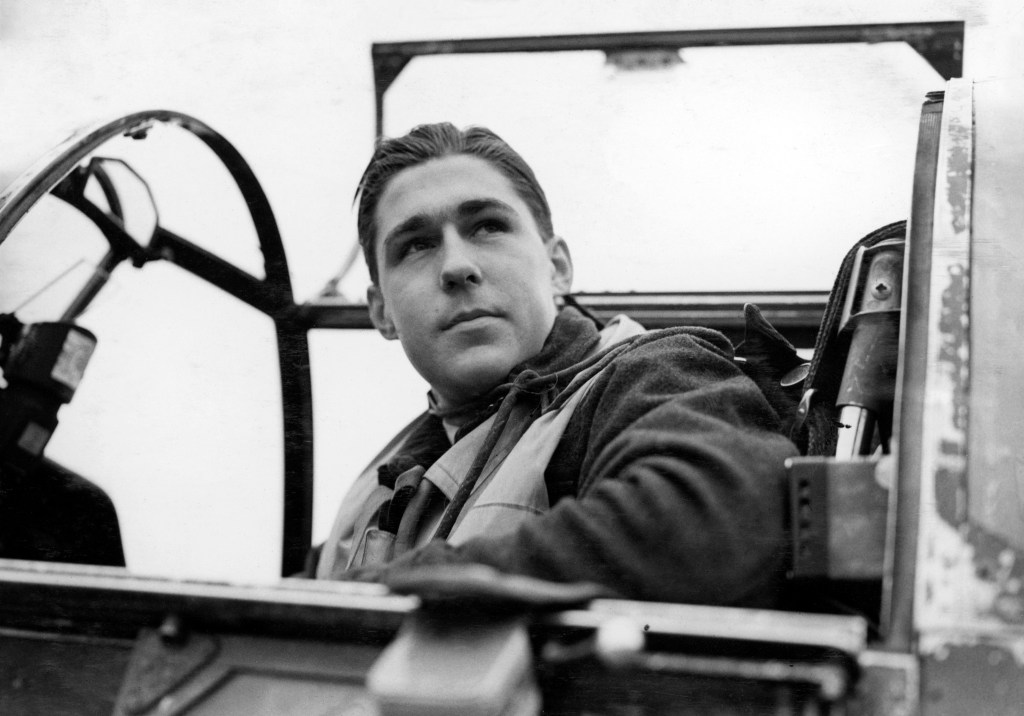
In the cockpit of his Mustang

Old Etonian Guy Pease, who has died aged 100, made an audacious attempt to escape from a French hospital despite being disabled. He and a colleague, who suffered amputation of a ;eg, shinned down a makeshift rope made of bed sheets. They were at large for four days he eventually ended up in Stalag Luft III. He ad been shot down whilst attacking a train in his Mustang and crashed into an orchard. His hands ands wrists were badly fractured ands he spent weeks in a hospital in Rouen. When Luft III was evacuated in January 1945, he endured the infamous ‘Long March’. After being “liberated” by the Russians, he escaped to Allied lines. After leaving the RAF, he studied Arabic and served in the San Political Service. In 1970 he left for Australia where he lived the rest of his life.

To read the full obituary click HERE

DAILY TELEGRAPH – OBITUARY SQUADRON LEADER “JOHNNIE” JOHNSON

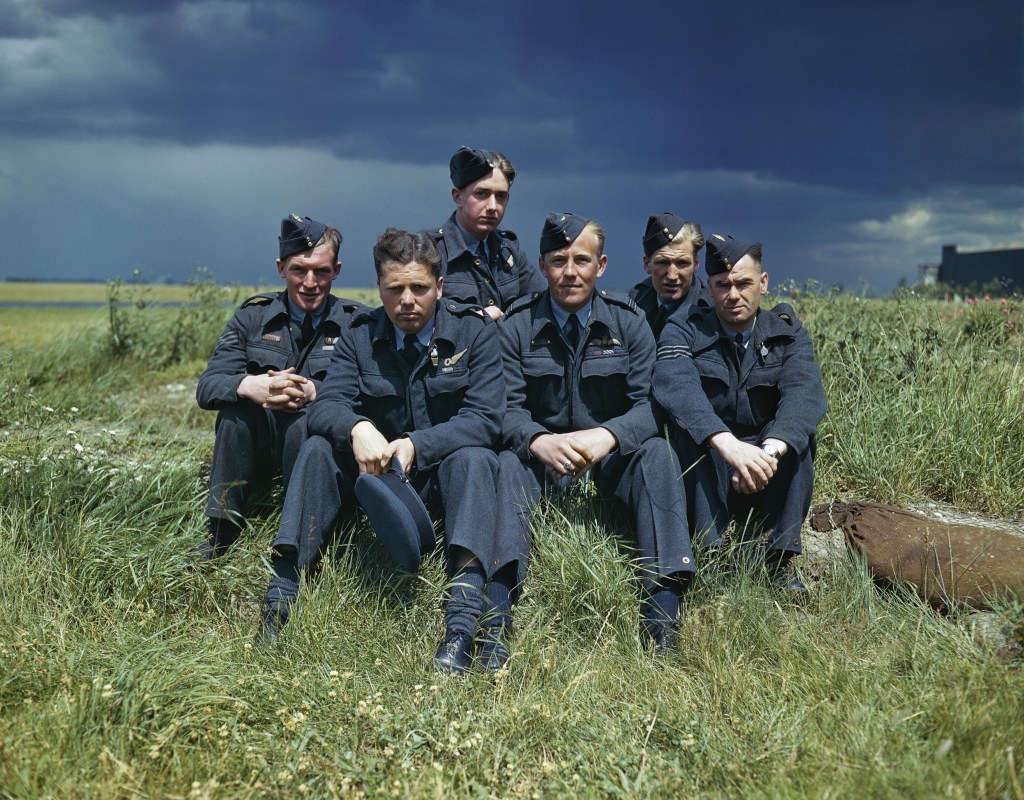
Johnson is on the left with McCarthy in the centre

‘Johnnie’ Johnson, who has died aged 101, was the last surviving Dambuster. He flew as the bomb aimer in Joe McCarthy’s crew and they had completed 19 operations when McCarthy met Guy Gibson who selected him to join ‘X’ Squadron, which became 617 Squadron. McCarthy’s crew were assigned to attack the Sorpe Dam with four others. On start-up. their aircraft was unserviceable and they switched to the spare, delaying them by 35 minutes. In the event, theirs was the only aircraft to reach the Sorpe. They made 10 bombing runs in the wooded terrain before Johnson was satisfied and he dropped the bomb. McCarthy was awarded the DSO and Johnson the DFM. They remained with 617 and went on to complete another 19 operations. After the war, Johnson flew with Coastal Command before retiring in 1962 to become a schoolteacher.

To read the full obituary click HERE

DAILY TELEGRAPH – OBITUARY AIR CHIEF MARSHAL SIR MICHAEL KNIGHT

Sir Michael Knight, who served throughout the Cold War, was one of the RAF’s most charismatic senior officers. He started his RAF career as a National Service pilot and ended it as the UK Military Representative (UKMILREP) at HQ NATO. His early career was flying transport aircraft , including the Comet, before starting a long career on the Canberra, accumulating over 2,500 flying hours on the aircraft. He was OC Strike Wing at RAF Tengah in the Far East and, after converting to the Buccaneer, he was the Station Commander at RAF Laarbruch in Germany. He was AOC 1 (Bomber) Group at the time of the Falkland’s War and was responsible for preparing his Victor and Vulcan squadron, and training their crews, for operations in the South Atlantic. He was appointed to the Air Force Board as the Air Member for Supply and Organisation, responsible for all the support ands maintenance of the RAF. As the UKMILREP in Brussels, he provided the link between the government and NATO. After retiring he played a key role in the ‘Vulcan to the Sky’ campaign and was a very active president of the Buccaneer Aircrew Association for over 20 years.

To read the full obituary click HERE

DAILY TELEGRAPH – OBITUARY AIR VICE-MARSHAL MIKE ADAMS

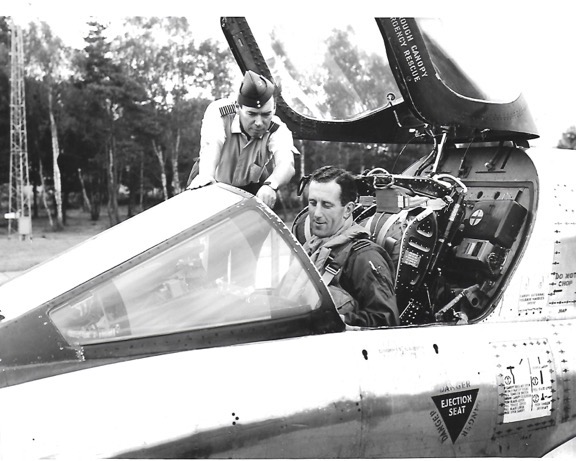
AVM Adams spent much of his RAF service in a series of test flying appointments. During his early career he flew on three Canberra squadrons seeing service in Germany, Cyprus and in England. After completing the course at the Empire Test Pilot’s School, he tested fighters including the Hawker P1127, which led to the Harrier jump jet. He was due to be one of two pilots to fly a Harrier in the Daily Mail Transatlantic Air Race, but illness prevented him from taking part. He spent many flying hours testing the Harrier, resulting in the award of the AFC. During a second appointment at Boscombe Down, he tested the Jaguar and continued flying other fighters. He later became the Superintendent of Test Flying and Commandant at Boscombe Down. As the Assistant Chief of Air Staff (Operational Requirements) he was heavily involved in the development of the European Fighter Aircraft, which became the Typhoon, and in precision guided munitions.

To read the full obituary click HERE

DAILY TELEGRAPH – OBITUARY AIR VICE-MARSHAL JOHN BROWNLOW

John Brownlow started his flying career as a navigator on Canberras and was the lead navigator of a tour around South America by four Canberras, which included the first crossing of the South Atlantic by jet aircraft. After training as a pilot, he continued to operate on the Canberra in Germany and in England. After completing the course at the Empire Test Pilot’s School, his future flying career was inextricable linked to test flying Over a series of appointments, he flew from Farnborough and from Boscombe Down where he eventually became the Commandant. He was the Commandant of the RAF College at Cranwell and was the Air Officer responsible for training. After retiring, he worked for Marshall of Cambridge and he continued his passion for gliding and testing light aircraft. He was active in both fields until he was 86 years old. He received numerous prestiges awards for his services to gliding and general aviation.

To read the full obituary click HERE

DAILY TELEGRAPH – OBITUARY AIR VICE-MARSHAL ‘LARRY’ LAMB

Air Vice-Marshal ‘Larry’ Lamb had two distinguished careers, first as an RAF pilot and senior officer and also as an international rugby referee and sports administrator. He joined the RAF in the later years of the Second World War and became a flying instructor and examiner before converting to the Hastings transport aircraft and flying on the Berlin Airlift. He later flew Javelin night fighters before becoming the Deputy Commander Air in Borneo during Indonesian Confrontation. He managed his limited helicopter and transport aircraft resources skilfully and was appointed CBE. After serving at RAF College Cranwell, the National Air Traffic Service and at HQ 18 (Maritime) Group he retired and became the chief executive of the Badminton Association of England. Throughout his RAF career he was heavily involved in rugby, became an international referee, controlling 14 full internationals, served on the Rugby Football Union and chaired numerous committees. He also served on the Princes Trust. He died aged 99.

To read full obituary click HERE